
The Lualaba province was struck by a drama of rare intensity on Saturday 15 November 2025. A stampede occurred in the Mulondo quarry, an exploitation permit of the company Chemaf (PE 2116) where there is artisanal exploitation approximately fifty kilometres from Kolwezi.
According to initial estimates relayed by several local sources, 49 artisanal diggers lost their lives, while others were seriously injured. Searches are still continuing to determine the exact total number of victims.
This new drama highlights the persistent vulnerability of artisanal exploitation sites in the region, where thousands of people seek to earn their living every day in dangerous conditions and often without adequate technical supervision.
An immediate reaction from the Lualaba Governorate Informed of the situation from the first hours of the disaster, the Governor of Lualaba, Fifi Masuka Saini, reacted promptly. On Sunday 16 November, she instructed a joint mission composed of representatives of the provincial ministries of Mines and Social Affairs to go immediately to the Mulondo site.
According to the Governorate’s Communication Unit, this delegation received the mandate to:
- Assess the real extent of the damage, both human and material;
- Ensure rapid care for the injured in the available medical facilities;
- Supervise the burial of victims in accordance with local traditions and human dignity;
- Coordinate preliminary investigations for the establishment of an official toll;
- Secure the area to prevent further collapses and protect rescue teams.
This presence of authorities on the ground aims to provide not only an operational response but also moral comfort to the bereaved families and the surrounding mining community.
Chemaf claims to have ceded this site to the company Pajeclem, which is not recognised by the Governor of Lualaba, who says she obtained the same site in 2021 from Chemaf for artisanal miners, whereas in the Mining Cadastre it is still PE 2116 of Chemaf.
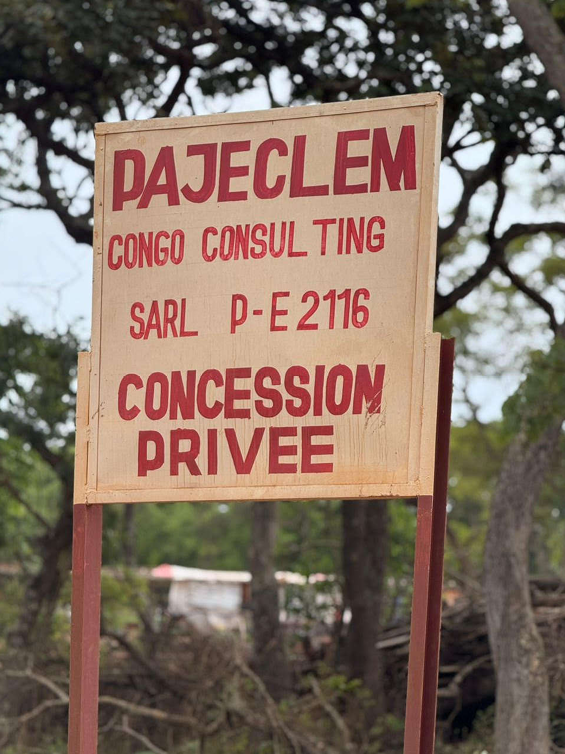
An artisanal site at high risk The Mulondo quarry, like many artisanal sites in Lualaba and Haut-Katanga, is exploited informally by independent diggers or small collectives.
The absence of support infrastructure, drainage systems, modern extraction methods and protective tools makes these sites particularly exposed to landslides, water infiltrations, gallery collapses and accidents linked to over-exploitation of the soil. It should be noted that every year dozens of deaths are recorded in these artisanal exploitations, which nevertheless remain a vital source of income for many families.
A disaster that raises new questions This collapse revives several major debates in the Congolese mining sector:
- Regulation of artisanal exploitation zones. Despite formalisation efforts in recent years, many zones remain exploited illicitly, sometimes without technical support or monitoring by competent authorities.
- Safety of artisanal diggers. The lack of training, the use of rudimentary tools and the daily search for minerals in unstable galleries expose workers to permanent risks.
- Responsibility of sector actors. Both authorities and surrounding mining companies are regularly called upon to strengthen technical support, monitoring and awareness-raising for diggers.
- Urgency of a provincial risk prevention strategy. Recent events reveal the need for early warning mechanisms, regular controls and programmes to secure artisanal sites.
An awaited investigation to clarify the exact circumstances The delegation mandated by Governor Fifi Masuka will have to produce an official report in the coming days detailing the probable causes of the collapse, the stages that preceded the incident, possible responsibilities, and the necessary measures to prevent such tragedies from recurring.
In parallel, security services and local authorities continue search operations to check whether any survivors remain under the rubble.
The province in mourning, but resolved to act This drama plunges the entire Lualaba province into deep sadness. The families of the victims, mostly young diggers, call for increased support from the authorities and the establishment of safer economic alternatives.
Governor Fifi Masuka, through her official communication, expressed her compassion towards the affected families and reaffirmed her government’s commitment to strengthening the supervision of the artisanal sector to avoid new loss of human life.
The Mulondo tragedy once again recalls the urgency of rethinking artisanal exploitation in the Democratic Republic of Congo, improving worker safety and putting in place more rigorous prevention mechanisms.
By Jeef Mpidiisi Kazadi and Stéphane
Discover more from Mining News Group
Subscribe to get the latest posts sent to your email.