
March 2026
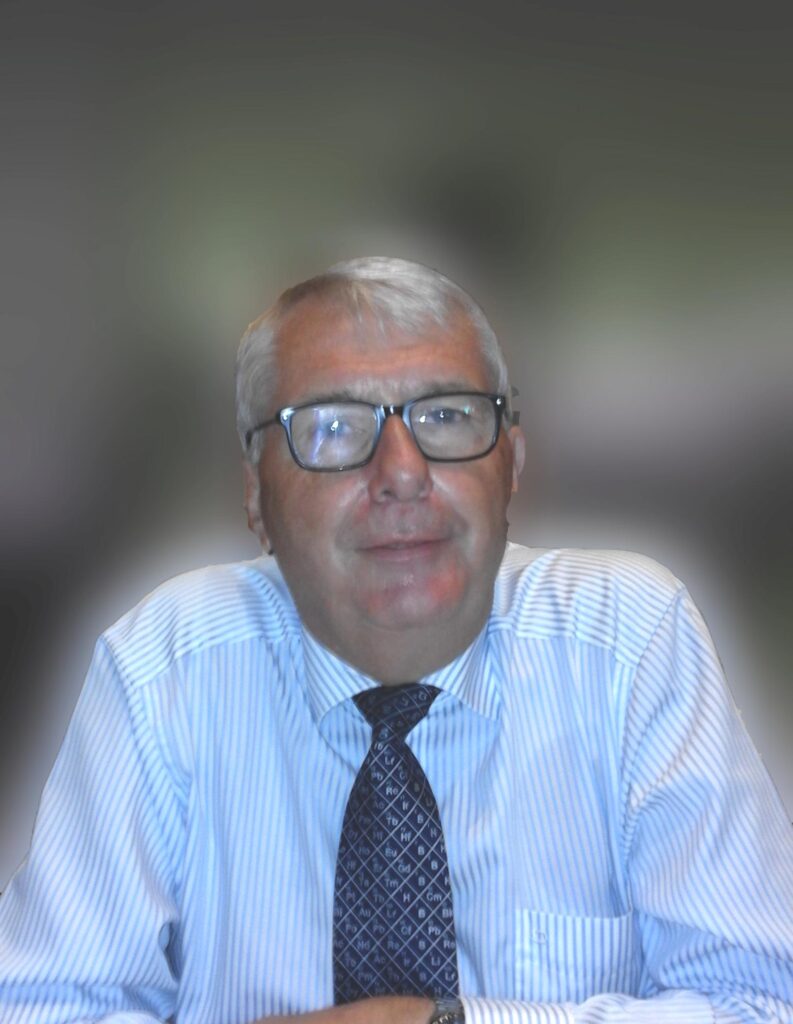
When Louis Watum Kabamba was appointed Minister of Mines of the Democratic Republic of the Congo in August 2025, the message from Kinshasa was clear: the government wanted a technocrat who understood the mining industry from the inside.
Watum Kabamba was not a political outsider entering the sector. He was a mining industry executive who had spent decades working at the highest levels of the global industry. Before entering government, he held senior leadership positions at Ivanhoe Mines, Barrick Gold and AngloGold Ashanti, and contributed to the development of major African mining projects, notably the Kamoa-Kakula Copper Complex and the Kibali Gold Mine.
His appointment came at a critical moment for the Congolese mining sector.
The DRC is the world’s leading producer of cobalt, a major producer of copper, and holds vast reserves of gold, lithium, tin, coltan and other rare minerals essential to the global energy transition. Yet despite this exceptional resource wealth, the sector has historically suffered from governance problems, smuggling, under-investment in local processing and limited national economic impact.
Six months into his mandate, Louis Watum Kabamba’s agenda — and that of the Ministry of Mines team — is becoming clearer.
It rests on three pillars: governance, local value creation and the DRC’s strategic positioning in the global minerals economy.
Reforming governance in one of the world’s most strategic mining sectors
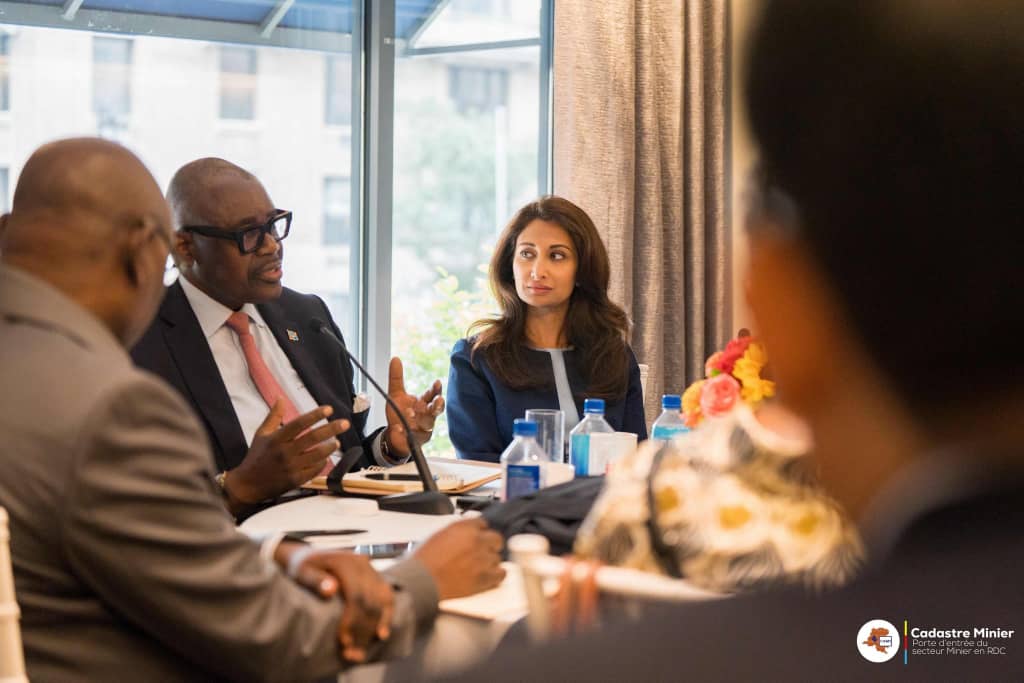
One of Louis Watum Kabamba’s first actions after taking office was to strengthen oversight of mining licences.
In September 2025, the Ministry of Mines issued a ministerial order clarifying what constitutes “development work” for mining concessions. This reform may appear technical, but it addresses a long-standing structural problem in the Congolese mining sector.
For years, certain companies held mining titles without actively developing them, thereby locking up mineral resources without production or investment.
By clarifying the legal obligations attached to mining permits, the ministry seeks to ensure that concessions are genuinely developed rather than held for speculative purposes.
For investors, this signals a shift towards greater discipline in the allocation and management of mining assets.
Tackling the parallel minerals economy
Another major focus of Louis Watum Kabamba’s first six months has been the fight against illegal mining and mineral smuggling.
The DRC’s artisanal mining sector employs millions of people, but historically a large part of its production has circulated through informal supply chains before reaching international markets.
In December 2025, the Ministry of Mines ordered the temporary suspension of certain artisanal copper and cobalt processing activities while authorities investigate cases of corruption and illegal sourcing practices in the sector.
The decision sparked debate in some circles, but it underscored the government’s intention to impose stricter controls on mineral supply chains.
For international buyers increasingly concerned with ESG criteria, traceability and ethical sourcing, these reforms are becoming essential to maintaining confidence in Congolese minerals.
Breaking the link between minerals and conflict
Security concerns in eastern Congo have also influenced policy decisions during Watum Kabamba’s first months in office.
In November 2025, the Ministry of Mines extended restrictions on the trade of minerals from dozens of artisanal mining sites in North Kivu and South Kivu — areas where armed groups have historically sought to profit from mineral production.
The aim of this policy is to ensure that the extraction and trade of minerals such as tin, tantalum and tungsten do not contribute to the financing of armed conflict.
This approach aligns with international frameworks such as the OECD Due Diligence Guidance for Responsible Supply Chains of Minerals from Conflict-Affected and High-Risk Areas.
Redefining Congo’s role in the global energy transition
Perhaps the most important theme emerging from Louis Watum Kabamba’s leadership is his insistence on the DRC’s strategic role in the global energy transition.
The DRC currently produces around 70% of the world’s cobalt, a key component in lithium-ion batteries used in electric vehicles and renewable energy storage systems.
The country also holds enormous deposits of copper, another critical metal for electrification and renewable energy infrastructure.
Yet Watum Kabamba regularly emphasises that the Congo must do more than simply export raw materials.
Instead, the country must position itself as a strategic partner in global industrial supply chains, capable of capturing greater economic value from its mineral resources.
Promoting local transformation
One of the clearest expressions of this strategy is the government’s drive to develop local mineral processing and refining capacity.
Rather than exporting raw minerals, the Ministry of Mines is encouraging investment in downstream industries such as:
- copper refining
- cobalt processing
- gold refining
- battery material manufacturing
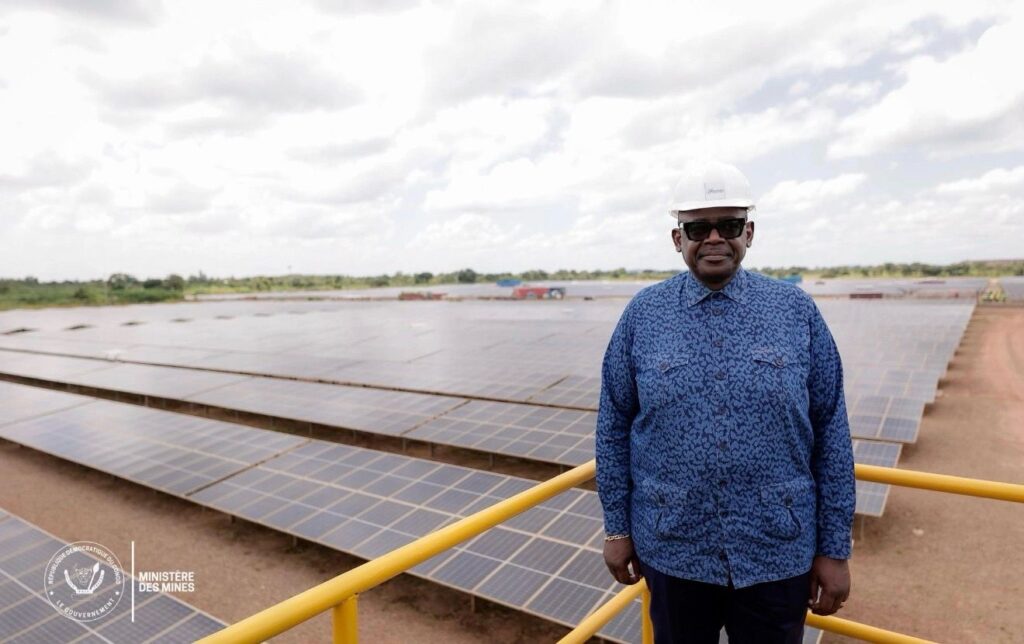
A significant step in this strategy was taken in March 2026 when the government inaugurated DRC Gold Refinery S.A. in Kalemie, Tanganyika province.
The facility represents the country’s first pilot gold refinery, capable of producing 99.9% pure gold bars while sourcing from artisanal miners through formal circuits.
The project reflects a broader policy direction: the Congo must not only extract its resources, but also transform them.
Building partnerships without losing sovereignty
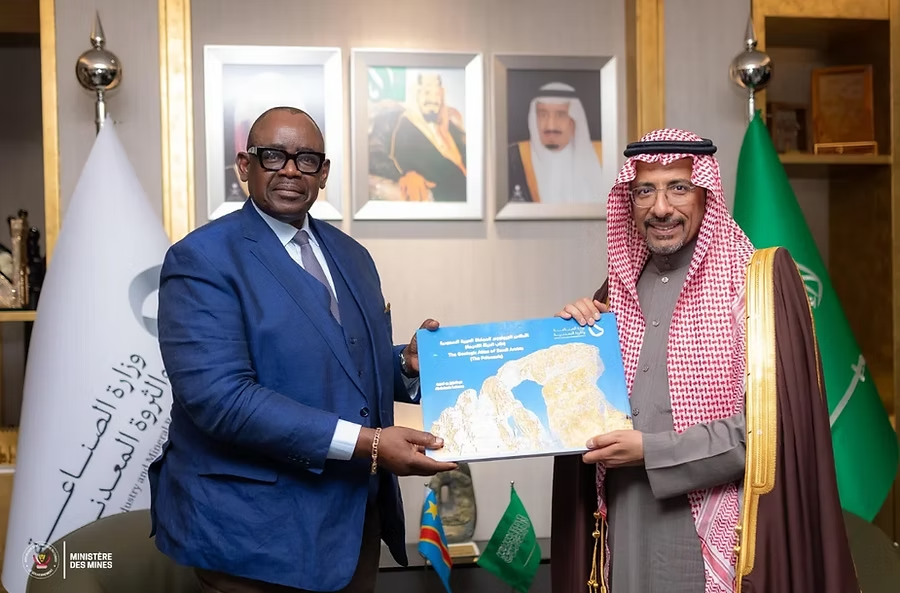
The Ministry of Mines under Louis Watum Kabamba has also intensified engagement with international investors and governments.
The DRC remains a major destination for foreign mining investment, particularly from companies operating in the copperbelt of Lualaba and Haut-Katanga.
At the same time, the government is exploring strategic minerals partnerships with countries such as the United States, Japan and European Union members, while maintaining long-standing commercial relations with Chinese investors.
The ministry’s message is consistent: the Congo welcomes investment, but it must generate sustainable economic value for the country.
The team behind the reforms
While attention often focuses on Louis Watum Kabamba, ministry officials stress that the reform effort rests on a broader institutional team. This includes:
- the technical departments of the Ministry of Mines
- public enterprises involved in mineral trading and oversight
- regulatory agencies responsible for licensing and inspections
- provincial mining authorities
- international organisations working on traceability and governance
Together, these actors are working to strengthen the institutional framework governing one of the world’s most strategic mining sectors.
A sector at a turning point
The Democratic Republic of the Congo stands at the heart of the global minerals economy.
Its resources are essential for industries ranging from electric vehicles and renewable energy to electronics and aerospace.
In this context, Louis Watum Kabamba’s first six months of leadership go far beyond mere policy adjustments.
They represent an attempt to redefine how the Congo manages its extraordinary mineral wealth.
The reforms underway aim to ensure that the country remains a dominant supplier of critical minerals while becoming a stronger industrial and economic power in the global mining industry.
The success of these changes will depend on their implementation in the years ahead.
But one thing is becoming increasingly clear: Congo’s mining sector is entering a new phase, and the direction set by Louis Watum Kabamba and his team is already beginning to shape what that future could look like.
By Divine Mwenda
Discover more from Mining News Group
Subscribe to get the latest posts sent to your email.