
Why Simandou Actually Matters
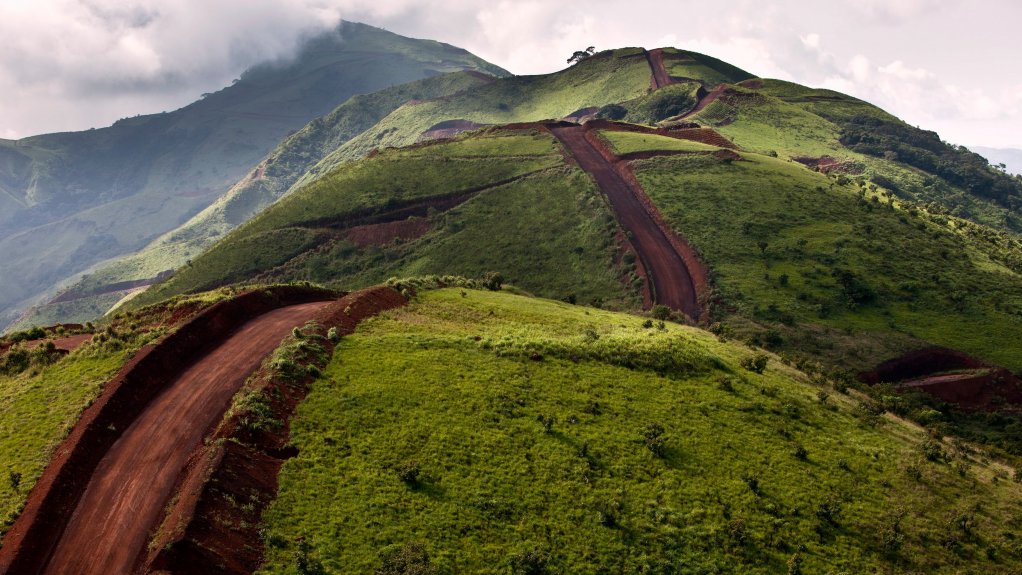
The Simandou deposit in southeastern Guinea is not just large — it is one of the highest-grade undeveloped iron ore resources in the world, with Fe content above 65%.
That grade matters. High-grade ore:
- Requires less processing
- Produces lower carbon emissions in steelmaking
- Commands premium pricing
- Aligns with decarbonisation targets in China and Europe
In a world pushing for “green steel,” Simandou is strategically positioned — not just volumetrically large, but environmentally advantageous compared to lower-grade alternatives.
That is what makes it structurally disruptive.
Ownership Structure — Who Really Controls Simandou?
Simandou is split into four blocks:
Blocks 1 & 2
Controlled primarily by Chinese consortium interests led by Baowu. Blocks 3 & 4 (SimFer JV)
Joint venture between:
- Rio Tinto
- Chinalco
- Government of Guinea
The Guinean state holds direct equity in the infrastructure company managing the rail and port
— a significant shift from older concession models where governments only collected royalties. What’s important:
China now has substantial upstream control over one of the only viable large-scale alternatives to Australian iron ore.
That is geopolitical leverage.
Capex Reality — The $20+ Billion Question
Total project cost estimates exceed $20 billion when including:
- Mine development
- 600+ km Trans-Guinean railway
- Deepwater port infrastructure
- Rolling stock
- Power infrastructure
Infrastructure accounts for the majority of the capital expenditure. This is not just a mine.
It is a logistics megaproject. Key investor concern in 2026:
Will cost overruns eat into margins before full ramp-up?
Production Ramp-Up — What People Are Missing
Official capacity target:
~120 million tonnes per year at full production. But here’s what serious analysts are watching:
- Rail throughput constraints
- Port loading capacity
- Seasonal rainfall disruptions
- Skilled labour availability
- Equipment supply chains
Full capacity is unlikely before late-decade stabilization. Short-term reality:
Ramp-up will likely be staged and uneven. That matters for global pricing assumptions.
Impact on Global Iron Ore Pricing
Historically:
China sourced most iron ore from Australia (Pilbara) and Brazil (Vale). Simandou introduces:
- Supply diversification
- Reduced dependence on Australia
- Potential downward pressure on long-term iron ore price benchmarks
If Simandou reaches 100+ million tonnes annually, it could meaningfully shift global seaborne supply balance.
But here’s what people underestimate: Iron ore pricing is not just about volume —
it’s about grade, freight cost, and contract structure. Simandou’s distance to China is longer than Australia’s. Freight economics still matter.
The Sovereign Wealth Fund Angle
Guinea plans to channel revenues into a sovereign wealth structure. Important questions investors are quietly asking:
- How transparent will revenue allocation be?
- Will funds be ring-fenced?
- Will political transitions disrupt fiscal planning?
- How will debt servicing tied to infrastructure be structured?
Guinea’s fiscal governance will determine whether Simandou becomes a national transformation engine — or a resource curse case study.
This is where everyone should be paying attention.
ESG & Carbon Implications
Simandou’s high-grade ore reduces blast furnace emissions per tonne of steel. In 2026, that is not a side note — that is strategic positioning.
Steelmakers seeking lower carbon intensity inputs may prefer Simandou-grade ore. But:
- Railway construction footprint
- Biodiversity impact in ecologically sensitive regions
- Community displacement risks
- Water management All remain live issues.
ESG performance will directly influence European buyer appetite.
Political Risk — The Quiet Variable
Guinea has experienced political transitions in recent years. Large megaprojects become:
- Political bargaining tools
- National identity symbols
- Revenue lifelines
Risk factors to monitor:
- Mining code revisions
- Tax renegotiations
- Infrastructure ownership restructuring
- Regional instability spillover
Long-term capital confidence depends on regulatory continuity.
What the Market Isn’t Talking About Enough
Here’s what industry insiders are watching quietly:
Steel Demand Elasticity
If China’s construction sector slows structurally, Simandou’s full output could hit a softer-than-expected market.
Alternative Steelmaking Technologies
Hydrogen-based steel and scrap recycling trends may alter long-term iron ore demand curves.
Infrastructure Debt Servicing
If rail/port revenue models underperform, financial restructuring pressure could emerge.
Local Content Expectations
Guinea’s domestic participation requirements may tighten over time.
Secondary Corridor Development
The railway opens future mineral development along the corridor — bauxite, gold, and other deposits could piggyback infrastructure.
That corridor effect could be transformational.
Why Simandou Is Bigger Than Iron Ore
Simandou represents:
- Africa’s ability to execute mega infrastructure
- China’s deepening strategic mineral footprint
- A test case for resource governance
- A structural shift in global iron ore supply It is not just a mine.
It is a geopolitical instrument, an economic experiment, and a pricing variable. If Simandou succeeds:
Guinea becomes a major global iron ore player. Africa strengthens its leverage in bulk commodities. Global supply chains rebalance.
If it struggles:
It becomes a cautionary tale of over-ambition and infrastructure strain. 2026 is the year the world finds out which path it takes.
Discover more from Mining News Group
Subscribe to get the latest posts sent to your email.