

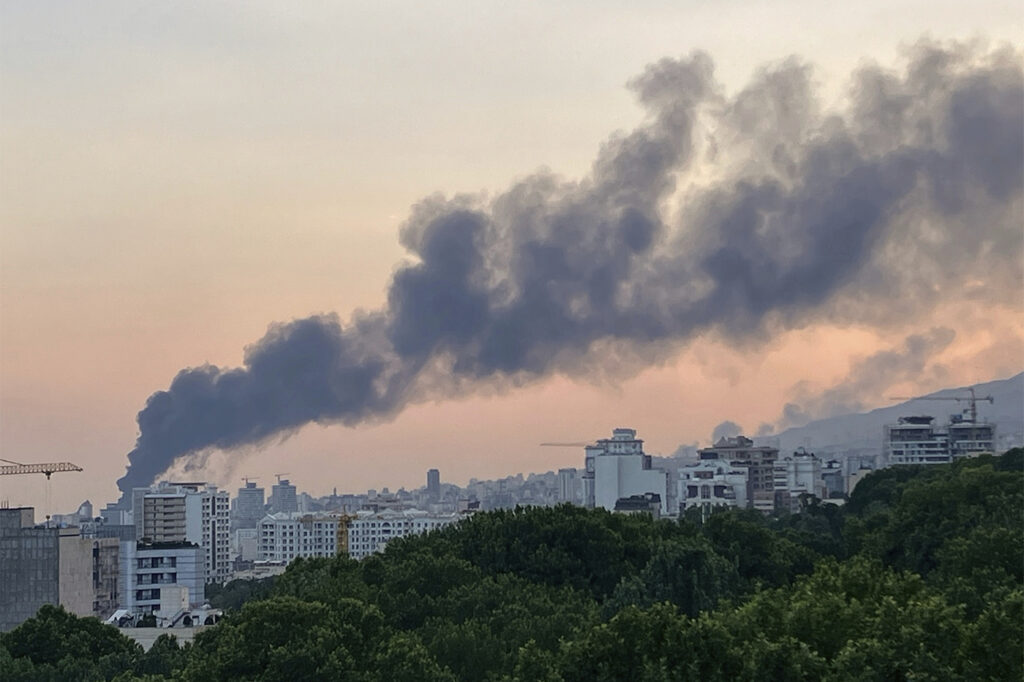
The rapidly escalating tensions between Israel, the United States and Iran are being framed as a geopolitical crisis.
But for mining executives, investors and operators, this is something else entirely:
An energy shock with direct margin consequences.
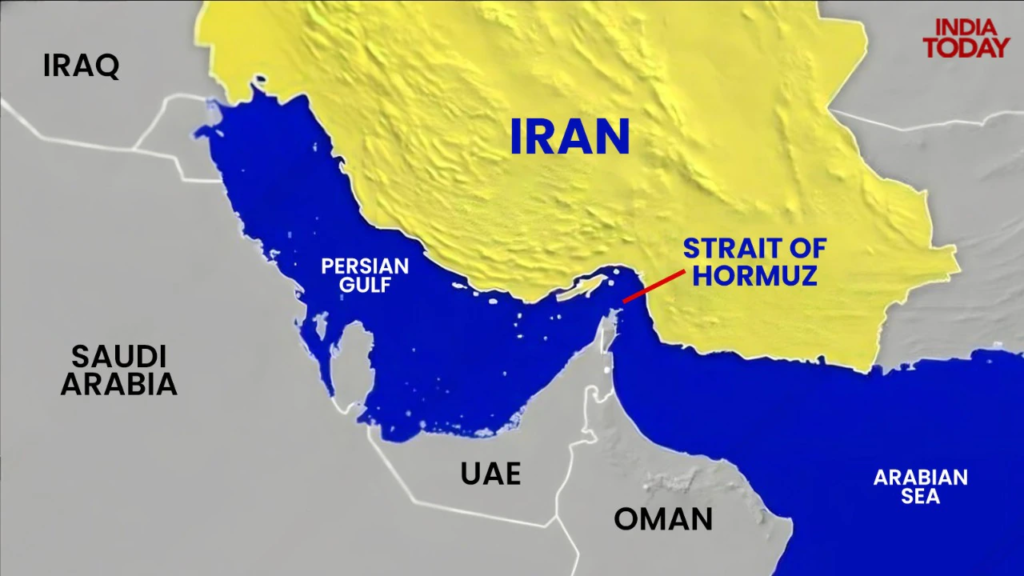
The threat to the Strait of Hormuz — the artery through which roughly one-fifth of global oil supply flows — is not theoretical noise. It is a pricing mechanism. And markets are already reacting.
When oil jumps 8–10% in a matter of days, mining cost models change overnight.
Energy Inflation: The Silent Margin Killer for Mining
Mining is one of the most energy-intensive industries in the world. Diesel fuels haul trucks.
Natural gas powers smelters.
Heavy fuel oil runs generators in remote operations. Shipping relies on bunker fuel.
When crude rises sharply, the cost impact flows through:
- Mine-site diesel consumption
- Electricity generation (especially in emerging markets)
- Freight and port handling
- Explosives production
- Processing and refining
For bulk producers operating on thin margins, even a $10–$20 sustained increase in oil can materially compress EBITDA.
This is especially relevant for:
- Iron ore exporters in Africa
- Copper producers with energy-heavy concentrators
- Lithium hard-rock projects dependent on diesel fleets
- Gold miners in remote jurisdictions running off-grid power
The energy price shock becomes a multiplier across the entire value chain.
If Oil Stays Elevated, Expect These Five Mining Impacts
1. Capital Expenditure Delays
Higher inflation and rising operating costs make feasibility studies more conservative. Projects that worked at $70 oil may not look as attractive at $100.
Boards become cautious. Financing tightens.
Long-lead developments stall.
2. Smelting and Refining Margins Get Crushed
Aluminium, copper, nickel and zinc refining are highly energy intensive. If gas and oil prices remain elevated:
- Refining capacity could tighten
- Treatment and refining charges may adjust
- Downstream processing economics shift
This becomes particularly relevant for countries trying to push beneficiation policies.
3. Gold Gains — But Not Without Cost Pressure
Geopolitical risk traditionally drives capital into gold. And yes — safe-haven flows are already visible.
But gold miners don’t benefit from price upside in isolation. They also absorb:
- Higher diesel costs
- Increased transport premiums
- Rising insurance costs
The real question is whether gold price gains outpace cost inflation.
4. Shipping Insurance and Maritime Risk Premiums Rise
If the Strait of Hormuz faces disruption — or even credible threat — shipping insurance spikes.
This impacts:
- Bulk commodity freight rates
- Equipment imports
- Chemical reagents and processing inputs
Mining companies operating far from end markets will feel this first.
5. Inflation Resurfaces — Central Banks React
If oil spikes feed inflation again:
- Rate cuts get delayed
- Capital costs remain elevated
- Emerging market currencies weaken
Mining projects — especially in Africa and Latin America — are highly sensitive to capital cost assumptions.
A prolonged geopolitical shock could reshape global investment flows.
Critical Minerals and the Energy Transition: The Hidden Tension
There’s a strategic contradiction unfolding. On one hand:
The world needs lithium, copper, cobalt, nickel and rare earths to accelerate electrification. On the other:
Energy price shocks increase production costs and create financing uncertainty for exactly those materials.
If oil remains volatile, expect:
- Slower project development timelines
- Higher risk premiums for frontier projects
- Greater emphasis on jurisdictional stability
This could benefit politically stable mining jurisdictions — and disadvantage high-risk environments.
Why Mining Executives Should Actually Be Concerned
This conflict touches three core pillars of mining strategy:
Cost Structure Sensitivity
Energy is not a secondary input — it is foundational.
Capital Allocation Discipline
Geopolitical instability reshapes investment committee decisions.
Supply Chain Resilience
Mining is global. Conflict in one region reverberates across continents. This is not about taking political sides.
It is about recognising that geopolitical escalation directly affects:
- Project economics
- Commodity pricing
- Shareholder returns
- Development timelines
The Strategic Question No One Is Asking Yet
If the Middle East remains unstable, and energy prices stay structurally higher, will we see:
- Acceleration toward renewable-powered mining operations?
- Faster electrification of mine fleets?
- Greater hedging activity across producers?
- A reshuffling of global commodity investment patterns?
Because history shows that prolonged energy shocks reshape industrial strategy.
Why This Moment Matters
Mining operates on long cycles. Geopolitics operates in sudden shocks.
When those two collide, strategic positioning matters more than reaction.
The current escalation between Israel, the United States and Iran is not just a diplomatic flashpoint.
It is a reminder that:
Energy security Geopolitical risk Commodity pricing Mining profitability
— are inseparable.
And the mining industry would be wise to treat this as more than background noise.
Discover more from Mining News Group
Subscribe to get the latest posts sent to your email.