

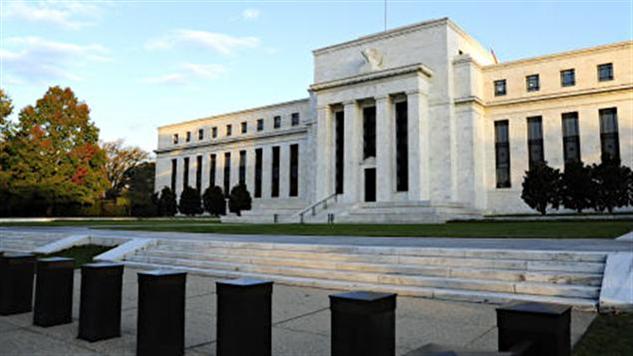
According to Agence Ecofin, the US Federal Reserve (Fed) is “examining” the permits to sell physical commodities held by certain banks, as opposed to commodity-backed futures contracts, the Financial Times reported on its website on July 22.
Senior Fed officials have been discussing with executives from major Wall Street banks such as JPMorgan Chase and Goldman Sachs in recent weeks the possibility of prohibiting banks from holding physical commodity assets, adds the financial daily, which cites sources familiar with the talks.
A Fed spokeswoman also told AFP that “the Federal Reserve regularly monitors the activity of certain companies in the commodities sector and is reviewing the 2003 decision that certain commodity-related activities are complementary to financial activities and therefore permitted for bank holdings .”
In 2003, the Federal Reserve authorized Citigroup to hold the ” underlying ” futures contracts that the bank had acquired with Phibro, a company specializing in raw materials, that is to say the physical raw materials on which the ” futures ” contracts are based, securities committing to the delivery on a given date of a “commodity” which are generally sold just before the expiry of the contract (and the delivery of said raw material) by the bank.
This authorization was subsequently extended to other banks that saw in it the possibility of new profits, in particular thanks to the warehouses which allow the storage of “commodities” when their price is too low… and thus cause a rebound in prices by drying up the market.
Although drilling has not been opened to banks for security reasons (and perhaps due to lobbying by the oil industry), all other activities (transport, storage, processing, etc.) are open to them, creating direct competition for trading giants such as Glencore or Trafigura.
Discover more from Mining News Group
Subscribe to get the latest posts sent to your email.