
Cape Town / Northern Cape — February 2026
In the immediate aftermath of the Investing in African Mining Indaba, the Minister of Mines of the Democratic Republic of the Congo, Louis Watum Kabamba, shifted from conference diplomacy to on-the-ground engagement—signaling a government determined to translate global mining dialogue into tangible industrial progress.
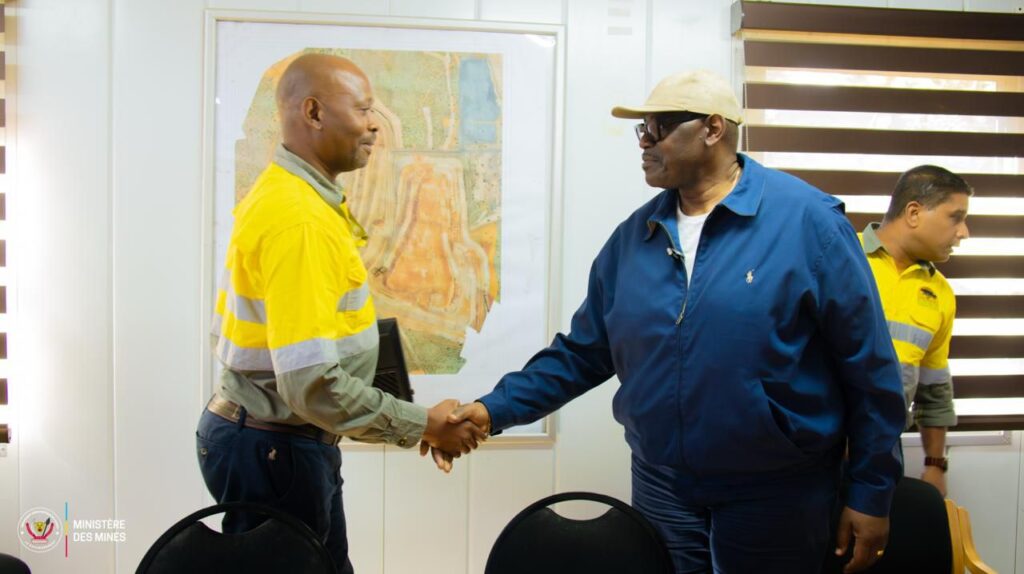
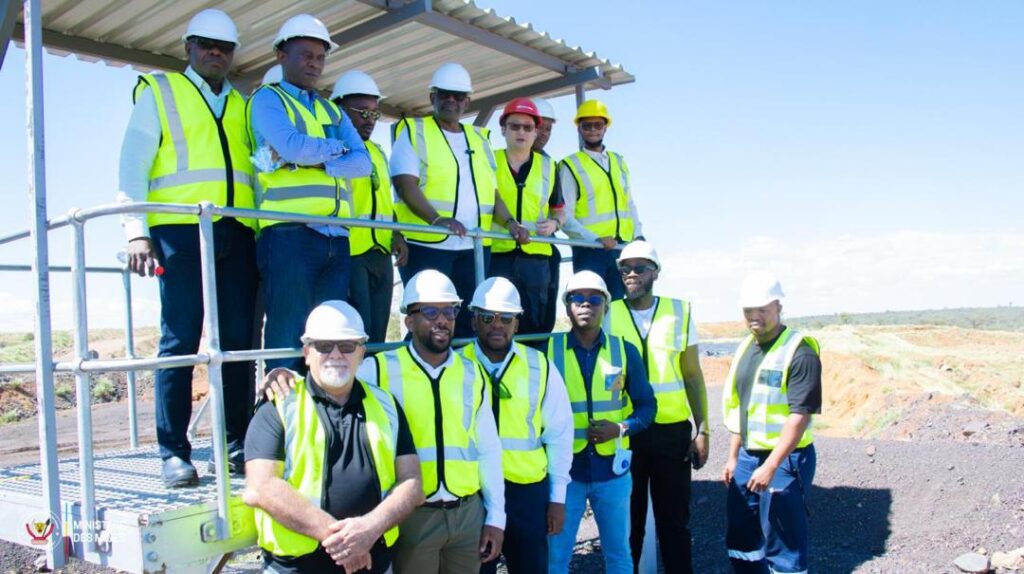
On Friday, 13 February 2026, the minister travelled to South Africa’s Northern Cape to visit the operations of Kudumane Manganese Resources. The visit followed strategic discussions with international partners on the sidelines of the Indaba, particularly around integrated mining models capable of delivering local processing, industrialisation, and long-term economic value.
Beyond Extraction: A Strategic Shift
For decades, much of Africa’s mineral wealth has left the continent in raw form.
Today, the DRC is pushing a different narrative—one centred on value addition, downstream processing, and national development outcomes.
Engagements held in Cape Town highlighted Kinshasa’s intention to partner only on projects that move the country up the global supply chain, especially in minerals critical to the energy transition.
This marks a clear policy evolution:
from extraction-driven growth to industry-anchored transformation.
Investment in Practice, Not Theory
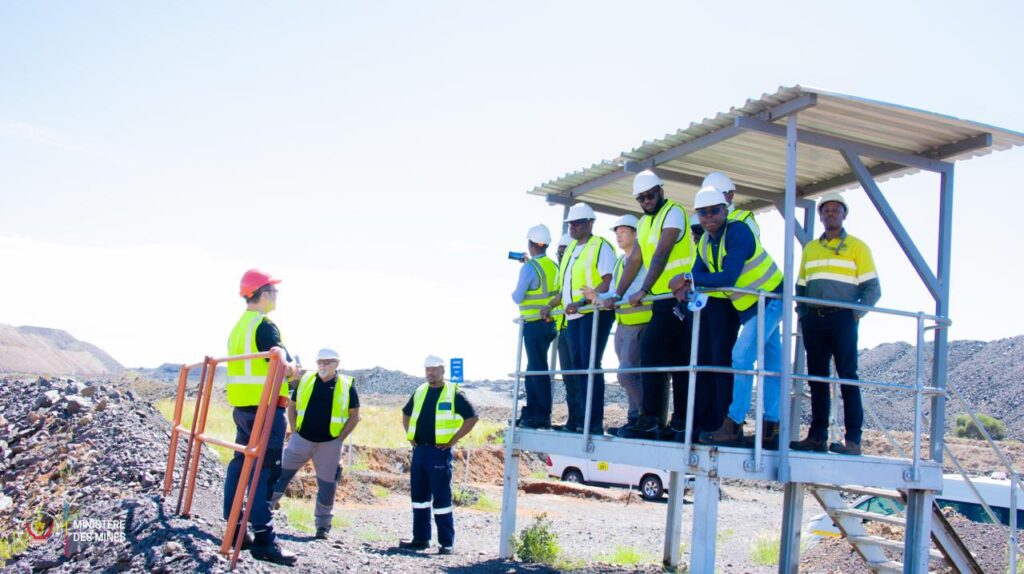
During the Northern Cape site visit, Minister Watum Kabamba reviewed the scale of capital already deployed across the integrated mining and processing ecosystem:
- US $164 million invested in Kudumane Manganese Resources
- US $413.3 million committed to Pertama Ferroalloys
More significant than the figures themselves is the operational model—where mining feeds directly into processing and industrial output.
For the DRC, which holds some of the world’s largest reserves of cobalt and copper, such integration provides a practical blueprint for domestic industrial expansion, rather than continued dependence on raw exports.
Measuring Success Through Communities
A notable dimension of the Congolese delegation’s visit was its focus on community wellbeing.
Healthcare access, social infrastructure, and local development outcomes formed part of the assessment—underscoring a broader governance shift in how mining success is defined.
For policymakers in Kinshasa, credibility in attracting long-term investment increasingly depends on demonstrating that mineral wealth translates into visible improvements in people’s lives, not just production statistics.
The Indaba Message: Partnerships With Purpose
Across engagements at Mining Indaba 2026, the DRC delivered a consistent message: The country is open to investment, but only to partnerships that:
- build local value chains
- formalise responsible artisanal mining
- enable technology transfer and skills development
- generate long-term national benefit
In short, the era of exporting untapped potential is closing.
What follows is a phase defined by processing, governance, and strategic cooperation.
What Comes Next
The Northern Cape mission signals momentum rather than conclusion. Key priorities emerging from the DRC’s current trajectory include:
Accelerating domestic mineral processing
Refining, smelting, and battery-grade material production are moving toward the centre of national mining policy.
Diversifying global investment partners
Kinshasa is expanding engagement across multiple regions to secure technology, financing, and market access.
Scaling responsible artisanal mining frameworks
Formalisation and traceability remain essential for inclusive and ethical sector growth. Linking mining revenue to development outcomes
Infrastructure, healthcare, education, and water systems are increasingly framed as core deliverables of major projects.
A Defining Moment in the Energy Transition
What connects the conversations in Cape Town to the site visit in the Northern Cape is intentional movement—from vision to implementation.
The Democratic Republic of the Congo is no longer positioning itself merely as a supplier of critical minerals.
It is working to become a strategic industrial actor within the global energy transition—seeking not only participation, but influence over how mineral wealth shapes future economies.
If sustained, this shift could redefine how one of the world’s most resource-rich nations converts geological advantage into industrial strength, social progress, and geopolitical relevance.
Discover more from Mining News Group
Subscribe to get the latest posts sent to your email.