
There’s a quiet shift happening in leadership conversations across Africa. You don’t always see it in headlines. You don’t hear it in political speeches.
But in boardrooms, mine sites, strategy sessions, and coaching rooms across the continent, something deeper is changing.
Leadership is slowly moving away from titles, hierarchy, and short-term wins toward something far more demanding:
Presence. Clarity. Accountability. Execution. Humanity.
In my recent conversation with Tari Muringai, an executive advisor and transformation leader who has spent more than two decades guiding boards and senior leaders across Africa, Europe, the United States, and the United Kingdom, one truth kept resurfacing in different forms:
Real leadership is visible. And it is deeply human.
Her work focuses on helping organisations move from vision to delivery — not just strategy documents or inspirational language, but measurable outcomes embedded in real operations and real people.
And in a continent entering a decisive economic era — especially in sectors like mining, infrastructure, and energy — that difference matters more than ever.
The Leaders Who Last — And the Ones Who Slowly Fade
One of the simplest ideas she shared was also one of the most powerful:
The leaders who build lasting influence are the ones who go to the shop floor. Not for a photo.
Not for a presentation.
Not because protocol requires it.
But because they genuinely want to understand how the work actually happens.
They don’t lead only from dashboards or corner offices. They don’t confuse control with leadership.
And they don’t try to solve every problem themselves. Instead, they:
- Show up where value is created
- Listen before speaking
- Empower teams instead of rescuing them
- Give people a direction that makes sense beyond the next quarter
Without that clarity, organisations can still produce results — sometimes even impressive ones. But those results are usually short bursts, not sustainable momentum.
And over time, the difference becomes visible.
The Blind Spot Quietly Weakening Modern Executives
There was one insight that felt especially honest — and uncomfortable: Most organisations today are not lacking data.
They are lacking understanding. They measure everything. Track endless KPIs. Build dashboards that look sophisticated.
But when real decisions must be made, the clarity is missing. Companies become data-rich but information-poor. Leaders choose too many priorities. Scorecards look good on paper. Reality arrives late.
And by the time truth becomes visible, correction is expensive. Her principle is simple — almost brutal in its clarity:
Measure less. But measure what truly matters. Because focus, not volume, creates performance.
The Moment a CEO Must Let Go
Another difficult truth in leadership is knowing when to stop operating. Many founders and executives rise because they are excellent operators. They solve problems fast.
They understand details. They push execution forward.
But what builds a company is not always what scales it. When a CEO stays trapped in daily operations:
- Long-term direction disappears
- Senior leaders become dependent instead of accountable
- Strategy becomes reactive instead of intentional
Real leadership begins when control is replaced by trust with accountability. She described it simply:
A CEO is not the rower. A CEO is the captain. Seeing further.
Setting direction. Holding the course.
Reputation — The Invisible Asset That Decides Survival
In modern markets, reputation is often discussed like branding or communication. But in reality, it is far more concrete.
Reputation is commercial truth.
Companies lose customers not only because of price or competition, but because:
- Promises are not delivered
- Timelines slip
- Trust erodes across value chains
And once credibility weakens, competitors do not wait. They step in quickly.
Quietly. Permanently.
Rebuilding trust later costs far more than protecting it early.
This is especially critical in African markets now facing intense global competition across manufacturing, infrastructure, and resource sectors.
The Leadership Shift Africa Must Confront
One of the most reflective moments in the conversation centred on visibility and humility in African leadership.
Across parts of the continent, leadership is still strongly tied to:
- Status
- Distance
- Formal hierarchy
- Being seen as untouchable
But globally competitive leadership is moving in the opposite direction:
- Accessible
- Grounded
- Curious
- Close to the people doing the work
It flips the traditional triangle. The leader is not at the top.
The leader supports the people who create value every day. This is not weakness.
It is maturity.
And as Africa’s economic influence grows, this shift may become one of the most decisive leadership transformations of the next generation.
What High-Performing CEOs Quietly Do Differently
Despite differences in culture, sector, or personality, strong executives often share subtle daily disciplines:
They check real performance numbers early — not to admire success, but to detect risk. They focus on the few drivers that create the most results.
They stay close to customers, operations, or frontline reality.
And they avoid the trap of endless internal meetings that feel productive but change nothing. Less theatre.
More truth. More outcomes.
A Personal Roadmap for Young Africans Who Want to Lead Globally
This part of the conversation felt the most personal — especially for a generation like mine thinking about leadership not just locally, but globally.
Her advice was clear, practical, and honest:
Study leaders intentionally.
Not just who inspires you — but why. Build breadth, not just promotions.
Different environments create deeper judgment. Find both a mentor and a coach.
One gives experience.
The other challenges your thinking. Be willing to restart if necessary.
Careers are not ladders. They are journeys.
And most importantly:
Step forward before you feel ready.
Because leadership never begins with permission. It begins with decision.
The Deeper Shift Already Underway
What stayed with me most after this conversation is simple: Africa does not lack intelligence.
It does not lack ambition.
And it certainly does not lack potential.
What it needs — especially in industries shaping the future like mining, energy, and infrastructure —
are leaders who are:
- Humble enough to listen
- Brave enough to change systems
- Clear enough to execute
- Human enough to be trusted
Not louder leaders. Real ones.
And the people who understand this shift early will not just build successful companies. They will help define what African leadership looks like to the rest of the world.
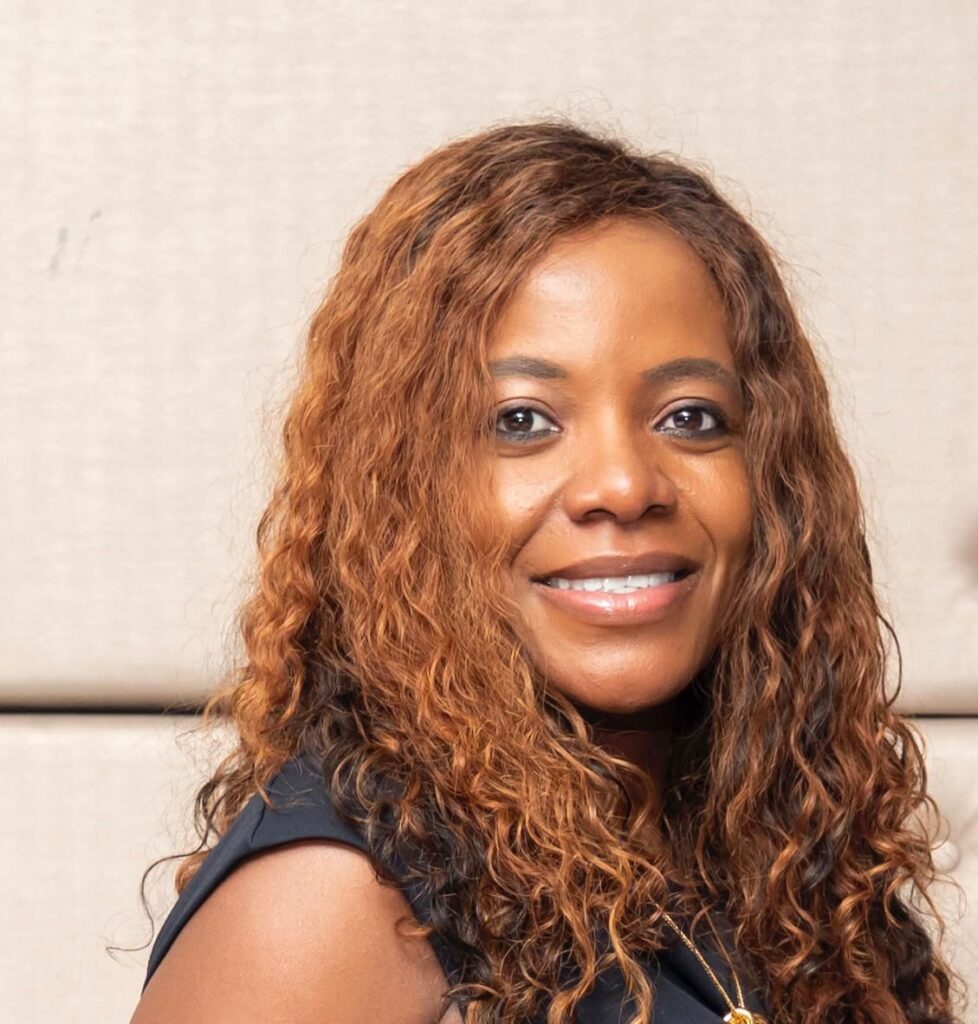
Tari Muringai is an Executive Advisor, Leadership Coach, and Transformation Leader, advising boards and senior executives on strategy execution, operational excellence, and sustainable performance across complex organisations in Africa, Europe, the United States, and the United Kingdom
Discover more from Mining News Group
Subscribe to get the latest posts sent to your email.